Source Modern PVC Venetian Blinds for Living Rooms, Offices, and Kitchens
Compare 13 listings for Modern PVC Venetian Blinds featuring customizable slats, metal or PVC headrails, and functions like heat insulation and dustproofing. Buyers can evaluate options for living rooms, offices, and kitchens with varying warranty periods and material types.
Key considerations
Products List


Durable Modern Window Shades Roller Home Shade Roller Blinds PVC Venetian Blinds
$4.80 - $15.00
MOQ: 100 Square Meters

Chinese New Modern Designed Wooden Venetian Blinds PVC Blinds for Home Decor
$8.00 - $12.00
MOQ: 500 Pieces

PVC Horizontal Venetian Blinds for Home Shade Outdoor External Mini Blinds
$8.00 - $12.00
MOQ: 500 Pieces


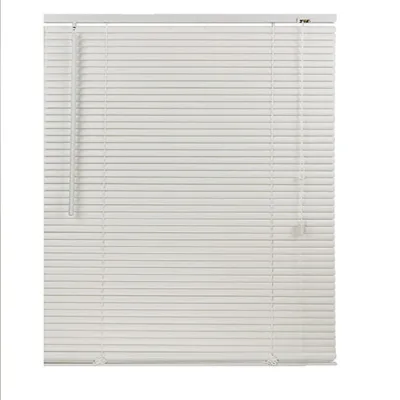

Comprehensive Sourcing Guide
Modern PVC Venetian Blinds Sourcing Guide
Procuring Modern PVC Venetian Blinds requires a strategic approach that balances aesthetic flexibility with functional durability, particularly for commercial and residential projects in diverse climates. The observed market data indicates a strong presence of products labeled with "Modern" styling and "Customized" sizing, suggesting that buyers should prioritize suppliers capable of handling bespoke dimensions rather than relying solely on standard stock. These blinds are frequently marketed for use in living rooms, bedrooms, offices, and kitchens, where the horizontal slat structure provides effective light control and privacy. The availability of customization in slat width, such as the observed 1-inch and 2-inch options, allows procurement teams to tailor the visual density and light-filtering capabilities to specific interior design requirements.
A critical aspect of sourcing these blinds is understanding the material variance within the "PVC" category, as the supply chain often includes distinct product lines ranging from pure vinyl to faux wood and plastic composites. Buyers must verify the specific material composition for each order, as the functional attributes like heat insulation, UV protection, and insect resistance can vary significantly between a standard PVC slat and a faux wood alternative. The observed product models, such as 2-PVC-001 and 1-PVC-001, highlight that even within a single keyword search, the underlying construction and performance characteristics differ, necessitating a detailed review of technical specifications before finalizing a purchase agreement.
Product Scope and Observed Listing Signals
The current market listings for Modern PVC Venetian Blinds reveal a wide spectrum of operational mechanisms and structural designs that directly impact the final application. While many units are described as having a manual open type, others in the dataset specify corded operations, which may influence the safety profile and ease of use in high-traffic areas like schools or hotels. The headrail construction is observed to be either metal or PVC, a distinction that affects the overall weight capacity and the longevity of the lifting mechanism. Procurement teams should carefully match the headrail material to the expected usage frequency, as metal components generally offer superior durability for heavy-duty commercial environments compared to PVC alternatives.
Color and finish options are another significant variable, with listings explicitly noting availability in white and black, alongside customized types for valances. The functional scope extends beyond simple light control to include specialized capabilities such as sound insulation, dustproofing, and windproofing, which are critical for specific room types like media rooms or bathrooms. The observed usage tags span from residential settings like house and bedroom to commercial venues including restaurants and offices, indicating that the product scope is broad but requires careful filtering to ensure the selected unit meets the specific environmental demands of the installation site.
Technical Specifications to Verify
When evaluating the technical specifications of Modern PVC Venetian Blinds, the slat width and material composition are the primary determinants of performance and aesthetic outcome. The market data shows slat widths of 1 inch and 2 inches, which dictate the level of light filtration and the visual texture of the window treatment. A 1-inch slat typically offers a more contemporary, dense look with finer light control, while a 2-inch slat provides a more traditional appearance with broader light gaps. Buyers must confirm the exact slat width required for their design intent, as this specification is often tied to the specific product model and cannot be easily altered after the order is placed.
The structural integrity of the blinds is heavily dependent on the bottom rail and the overall frame composition, with PVC being a common material for the bottom rail in the observed listings. The valance type is also listed as customized, meaning the decorative cover at the top of the unit can be tailored to match the room's decor, but this requires clear communication of design preferences to the supplier. Additionally, the light filtering capability ranges from standard options to blackout specifications, which is a crucial technical parameter for spaces requiring total darkness, such as media rooms or bedrooms. Verification of these specific attributes ensures that the delivered product aligns with the functional requirements of the intended space.
Compliance and Safety Documentation
Ensuring compliance and safety for Modern PVC Venetian Blinds involves verifying that the materials and manufacturing processes meet relevant regional standards, even though specific certification names are not universally listed in the provided data. The product origin is identified as China, with specific manufacturing hubs in Jiangmen, Guangdong, which suggests that buyers should request documentation confirming adherence to international safety standards for window coverings, particularly regarding cord safety and material toxicity. While the listings mention "customized" standards, it is the buyer's responsibility to ensure that the supplier can provide test reports or certificates proving the product meets the safety regulations of the destination country.
Safety documentation should also address the operational mechanisms, especially for corded models used in environments with children or pets. The observed product models and their associated functions, such as insect resistance and anti-theft properties, imply a need for robust construction that does not compromise on safety. Buyers should explicitly request information on the durability of the lifting cords and the stability of the headrail to prevent accidental detachment or entanglement. Without specific certification data in the listings, the procurement process must include a formal request for safety compliance records to mitigate liability and ensure the safety of the end-users in residential and commercial installations.
Cost Drivers and Commercial Terms
The cost of Modern PVC Venetian Blinds is influenced by several key drivers, including the material type, customization level, and the scale of the order. The observed MOQ ranges from 20 to 500 units, with specific listings indicating a requirement of 100 square meters for certain models, which can significantly impact the unit price and the feasibility of small-scale projects. Buyers should be prepared to negotiate based on volume, as the price range of 0.26 to 150 USD suggests a wide disparity based on the complexity of the customization and the material quality. Understanding the minimum order quantity is essential for budgeting, as falling below the threshold may result in higher per-unit costs or the inability to place an order.
Commercial terms and payment structures are equally critical, with observed listings specifying payment via T/T and shipping methods such as by sea. The warranty periods vary from 1 to 3 years, which serves as a proxy for the perceived quality and the supplier's confidence in their product. A longer warranty, such as the 3-year term observed on some models, often correlates with higher initial costs but provides better long-term value and risk mitigation. Buyers should carefully review the after-sales service provisions, which range from general repair services to specific 1-year guarantees, to ensure that the commercial agreement includes adequate support for potential defects or installation issues.
Supplier Qualification and Quality Control
Qualifying a supplier for Modern PVC Venetian Blinds requires a rigorous assessment of their production capabilities and quality control protocols, particularly given the "customized" nature of many listed products. The presence of specific product models like 2-FWC-001 and 1-PVC-001 indicates that suppliers have established production lines for different material types, but buyers must verify that the supplier can consistently maintain the quality standards required for their specific project. The observation of "customized" standards suggests that the supplier may not adhere to a single rigid standard but rather adapts to client requirements, making it vital to establish clear quality benchmarks before production begins.
Quality control should extend to the packaging and shipping processes, as the observed packing methods include paper cartons, standard cartons, and pet boxes. Proper packaging is essential to prevent damage during transit, especially for products with metal headrails or delicate slat structures. Buyers should request photos of the packaging process or a detailed packing list to ensure that the blinds will arrive in pristine condition. Additionally, the supplier's location in Jiangmen, Guangdong, China, implies a specific logistics chain that buyers must account for in their supply chain planning, ensuring that the lead times and shipping methods align with the project schedule.
Long-Term Procurement Checks
Long-term procurement success with Modern PVC Venetian Blinds depends on establishing a reliable relationship with suppliers who can provide consistent after-sales support and warranty fulfillment. The observed warranty periods of 1, 2, and 3 years indicate that suppliers are willing to stand behind their products, but buyers must clarify the specific terms of these warranties, including what constitutes a defect and the process for claiming repairs. The availability of after-sales services, such as repair or general support, is a key indicator of a supplier's commitment to long-term customer satisfaction and should be a primary factor in supplier selection.
Continuous monitoring of product performance and market trends is also necessary to ensure that the blinds continue to meet the evolving needs of the end-users. As the market offers a variety of materials from vinyl to faux wood, buyers should periodically review the product specifications to ensure that the chosen blinds remain the most suitable option for their applications. The ability of the supplier to adapt to new customization requests and maintain the quality of their "Modern" style products over time is crucial for maintaining the aesthetic and functional integrity of the installed window treatments. Regular communication with the supplier regarding performance feedback can help identify potential issues early and ensure that the procurement strategy remains effective.
FAQs
What materials are used for Modern PVC Venetian Blinds?
Modern PVC Venetian Blinds are primarily constructed from vinyl or plastic materials. Some variants may also incorporate faux wood elements for aesthetic purposes. These materials provide durability and resistance to moisture, making them suitable for various indoor environments including bathrooms and kitchens.
What is the standard slat width for these blinds?
The slat width for Modern PVC Venetian Blinds is typically 2 inches, though 1-inch options are also available. The specific width can be customized to meet design preferences or functional requirements. Buyers should verify the exact slat dimension during the ordering process to ensure it matches their window specifications.
Can Modern PVC Venetian Blinds be customized for specific sizes?
Yes, Modern PVC Venetian Blinds are available in customized sizes to fit specific window dimensions. The headrail, bottom rail, and valance can also be tailored to match interior design needs. Customization options allow for precise fitting and aesthetic integration into living rooms, offices, and other spaces.
What functions do Modern PVC Venetian Blinds provide?
These blinds offer sound insulation, heat insulation, dustproofing, and windproofing capabilities. They also provide insect resistance and anti-theft features in some configurations. The blackout functionality helps control light exposure, making them versatile for bedrooms, offices, and media rooms where privacy and comfort are essential.
What is the warranty period for Modern PVC Venetian Blinds?
The warranty period for Modern PVC Venetian Blinds typically ranges from one to three years, depending on the specific product model and supplier. After-sales service is generally available for one year. Buyers should confirm the exact warranty terms and coverage details with the supplier before placing an order.
How are Modern PVC Venetian Blinds packaged for shipping?
Modern PVC Venetian Blinds are usually packaged in paper cartons or pet boxes to ensure safe transport. The packaging is designed to protect the blinds from damage during shipping. Buyers should verify the packaging specifications with the supplier to ensure the product arrives in good condition.
What is the minimum order quantity for these blinds?
The minimum order quantity for Modern PVC Venetian Blinds typically starts at 100 square meters, though some suppliers may have different MOQ requirements. Buyers should check the specific MOQ with the supplier to ensure it aligns with their procurement needs. Custom orders may have different minimums.